How to Confirm Mold Remediation Success with Clearance Testing in Newport Beach
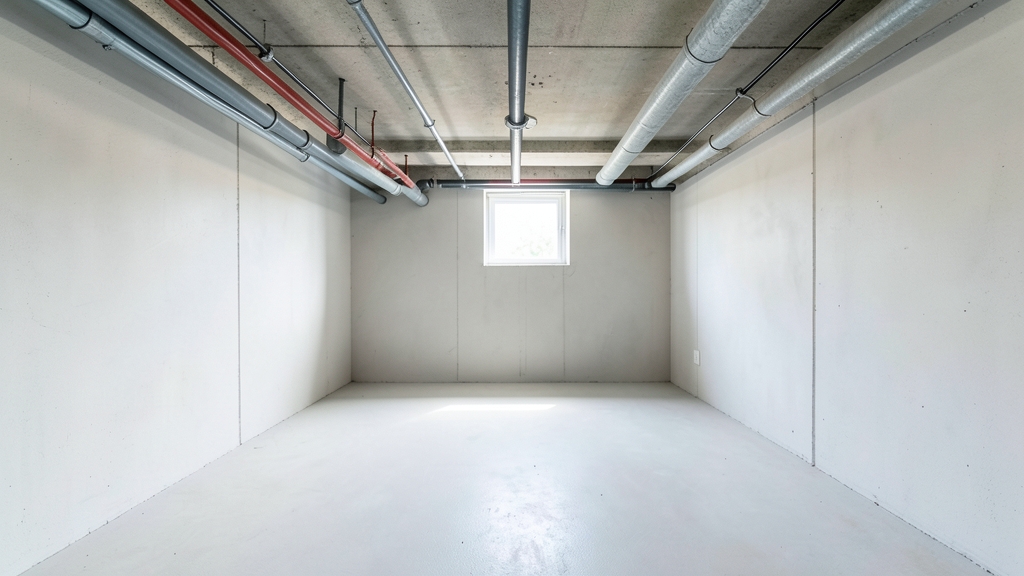
Mold remediation isn’t complete until clearance testing confirms the problem is truly resolved. In our coastal climate, lingering spores or hidden moisture can undo even the most thorough work. We’ll walk you through how post-remediation verification ensures your Newport Beach property is safe—and stays that way.
Why Clearance Testing Is Non-Negotiable After Mold Remediation
Clearance testing is the only way to prove mold levels are back to normal, background conditions. Without it, you risk reinfestation or health exposure—especially in humid areas like Costa Mesa or Huntington Beach.
It’s not just about visible mold. Spores can hide in HVAC systems, behind drywall, or in crawl spaces, where they continue growing if moisture persists.
Skipping clearance testing voids most remediation warranties and leaves you liable for future damage. Always require it in writing.
Clearance Testing vs. Initial Mold Inspection: Key Differences
Initial mold inspections identify the problem’s scope, species, and moisture sources. Clearance testing, however, verifies that remediation met industry standards.
While inspections may use visual assessments and moisture meters, clearance relies on air and surface sampling to quantify spore counts.
| Purpose | Methods | When It’s Done |
|---|---|---|
| Identify mold presence, type, and extent | Visual inspection, moisture mapping, air/surface sampling | Before remediation |
| Verify remediation success and safety | Post-remediation air/surface sampling, ERMI testing | After remediation, before reoccupancy |
| Locate hidden moisture sources | Thermal imaging, borescopes, humidity sensors | During initial assessment |
The Clearance Testing Process: What to Expect in Newport Beach
A technician will take air and surface samples from the remediated area, as well as control samples from unaffected zones.
Samples are sent to an accredited lab for analysis. Results typically take 24–72 hours, depending on the test type. ERMI tests, for example, provide a detailed spore count and species breakdown.
If spore counts in the treated area match or fall below outdoor levels, the remediation passes. If not, additional cleaning or moisture control is required.
Types of Clearance Tests We Use
Air sampling is the most common method, capturing spores suspended in the air. It’s especially effective for attic or crawl space remediation in Irvine or Laguna Beach homes with poor ventilation.
Surface sampling involves swabs or tape lifts to test visible or suspected mold on materials like drywall or insulation. This confirms whether surfaces are truly clean after HEPA vacuuming and antifungal treatments.
ERMI (Environmental Relative Moldiness Index) testing uses DNA analysis to identify mold species and their concentrations. It’s the gold standard for post-remediation verification in water-damaged properties.
Common Reasons Clearance Tests Fail (And How to Avoid Them)
Incomplete drying is the top culprit. Even if mold is removed, residual moisture allows spores to regrow. Always confirm moisture levels are below 15% in wood and 1% in drywall before testing.
Poor containment during remediation can spread spores to unaffected areas. Proper barriers and negative air pressure are essential, especially in multi-unit buildings.
DIY remediation often misses hidden mold in HVAC ducts or behind baseboards. Professional remediation with clearance testing ensures nothing is overlooked.
Run your HVAC system for 24 hours before testing to stir up settled spores. Avoid cleaning or using air purifiers during this period for accurate results.
What Happens If Your Property Fails Clearance Testing?
Failing doesn’t mean starting over. Often, it’s a sign of isolated issues, like a missed patch of mold in a crawl space or lingering humidity in an attic.
Our team will retrace the remediation steps, re-test moisture levels, and perform targeted cleaning or additional treatments. A follow-up clearance test is then scheduled.
In coastal areas like Newport Beach, we often find that improving ventilation or addressing minor water intrusion (e.g., from a leaky pipe or roof) resolves the issue.
Mold Clearance Testing for Commercial Properties
Commercial spaces, especially in high-traffic areas like Huntington Beach or Costa Mesa, require stricter protocols. Clearance testing often involves more samples and may include testing for specific pathogens like Stachybotrys or Aspergillus.
We coordinate with property managers to minimize disruption, often conducting testing after hours. Documentation is critical for liability and tenant safety.
Commercial Clearance Testing Checklist
- Confirm all remediated areas are dry and visually clean
- Take air samples from each affected zone and outdoor control
- Test HVAC systems if mold was present in ductwork
- Document all steps for insurance and compliance
Long-Term Mold Prevention After Clearance Testing
Passing clearance testing is just the first step. To prevent recurrence, address the root cause: moisture. In Newport Beach, this often means upgrading ventilation in bathrooms, kitchens, and crawl spaces.
Regular inspections, especially after heavy rains or plumbing work, can catch new issues early. Consider a moisture control system if your property is prone to humidity.
For attics and crawl spaces, proper insulation and vapor barriers are key. We often recommend these upgrades during remediation to save costs long-term.
How to Prepare for Mold Clearance Testing
A few simple steps ensure your clearance test is accurate and efficient.
- 1Stop Cleaning 24 Hours Prior
Avoid vacuuming, dusting, or using air purifiers, as these can skew spore counts.
- 2Run Your HVAC System
Operate it normally for 24 hours before testing to circulate air and reveal hidden spores.
- 3Close Windows and Doors
Keep the property sealed for at least 12 hours before sampling to prevent outdoor spores from interfering.
- 4Clear the Area
Remove pets, people, and any items that might obstruct access to the remediated zones.
- 5Document Remediation Work
Have your remediation report and moisture logs ready for the technician’s review.
Frequently Asked Questions
How soon after remediation can clearance testing be done in Newport Beach?
Testing should occur at least 24–48 hours after remediation is complete, once all surfaces are dry and the area has been ventilated. Rushing the process can lead to false negatives or positives.
Is clearance testing required by law for mold remediation in California?
While California doesn’t mandate clearance testing for residential properties, it’s strongly recommended and often required by insurance or real estate transactions. Commercial properties may have stricter local or industry standards.
Can I do my own clearance testing with a home kit?
Home test kits lack the precision and lab analysis of professional clearance testing. They can’t account for local spore baselines or hidden mold, and results aren’t admissible for warranties or legal purposes.
What’s the difference between clearance testing and post-remediation verification?
The terms are often used interchangeably, but post-remediation verification can include visual inspections and moisture checks, while clearance testing specifically refers to the lab-based spore analysis that confirms safety.
How much does mold clearance testing cost in Newport Beach?
Costs vary based on property size, the number of samples needed, and the type of testing (e.g., ERMI vs. standard air sampling). Factors like crawl space access or HVAC testing also play a role. Request a quote for an accurate estimate.
What if mold returns after passing clearance testing?
If mold recurs, it’s usually due to a new moisture issue, not a failure of the remediation. We’ll inspect for leaks, humidity spikes, or ventilation problems and address the root cause. Most remediation warranties cover follow-up work if the issue stems from the original project.