The Truth About Black Mold and How Inspections Confirm It in Newport Beach
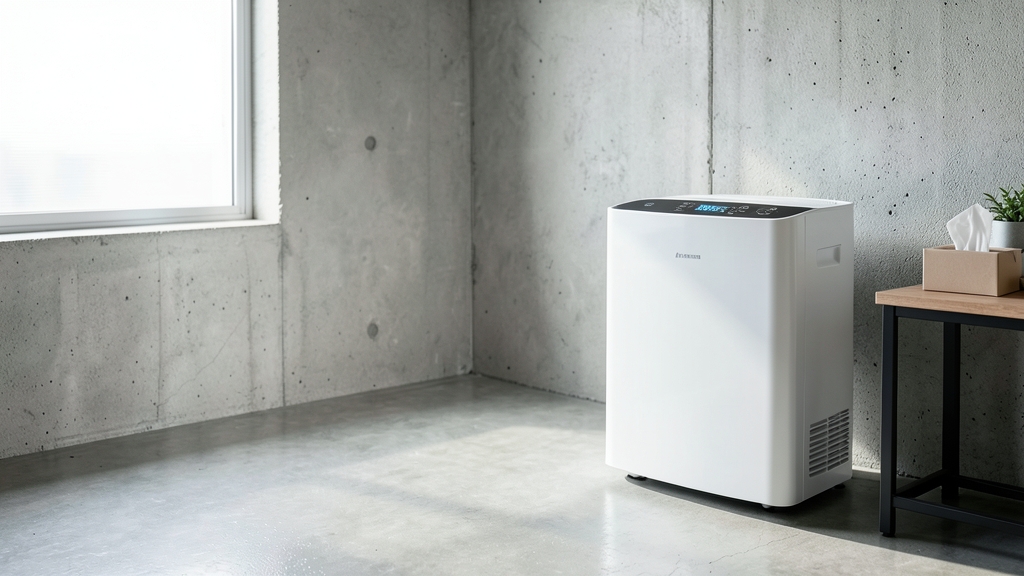
Black mold isn’t just an unsightly nuisance—it’s a serious health hazard that thrives in damp, poorly ventilated spaces. In our coastal climate, moisture lingers longer, making professional inspections critical to confirm its presence before it spreads.
What Exactly Is Black Mold?
Black mold, or *Stachybotrys chartarum*, is a toxic fungus that produces mycotoxins harmful to humans and pets. It appears as dark greenish-black patches, often slimy to the touch.
Unlike common household molds, black mold requires persistent moisture—leaks, high humidity, or water damage—to take hold and proliferate.
Why Newport Beach Homes Are Vulnerable
Our proximity to the coast means higher humidity levels, especially in spring and early summer. This moisture seeps into walls, attics, and crawl spaces, creating ideal conditions for mold growth.
Older homes in neighborhoods like Balboa Peninsula or Lido Isle often have aging plumbing or poor ventilation, exacerbating the risk. Even newer builds in Irvine or Costa Mesa aren’t immune if water intrusion goes unchecked.
Mold often hides behind drywall, under flooring, or in HVAC ducts. Never assume it’s isolated to visible areas.
Health Risks You Can’t Ignore
Exposure to black mold can trigger respiratory issues, chronic sinusitis, and skin irritation. Long-term contact may lead to neurological symptoms or immune suppression in sensitive individuals.
Children, the elderly, and those with pre-existing conditions are especially vulnerable. If occupants report unexplained headaches or fatigue, mold could be the culprit.
How Professional Inspections Confirm Black Mold
Certified inspectors use a multi-step process to identify black mold. We start with a visual assessment, looking for water stains, discoloration, or musty odors in high-risk areas like basements, attics, and crawl spaces.
Air quality testing captures spore counts, while surface sampling confirms the species. Thermal imaging helps detect hidden moisture behind walls—critical in humid areas like Huntington Beach or Laguna Beach.
| Method | What It Detects | Best For |
|---|---|---|
| Visual Assessment | Visible mold, water damage | Initial screening |
| Air Quality Testing | Spore concentration in air | Hidden or widespread mold |
| Surface Sampling | Mold species on materials | Confirming black mold presence |
| Thermal Imaging | Moisture behind walls/floors | Detecting hidden leaks |
| Moisture Meters | Elevated humidity in materials | Pinpointing water intrusion |
Signs You Need an Inspection ASAP
Persistent musty odors, especially after rain, are a red flag. So are unexplained water stains on ceilings or walls, or peeling paint in bathrooms and kitchens.
Allergic reactions that worsen at home—sneezing, itchy eyes, or throat irritation—often point to mold. In commercial spaces, employee complaints of poor air quality demand immediate attention.
When to Call for an Inspection
- Visible mold growth (even small patches)
- Recent water damage or flooding
- Unexplained health symptoms among occupants
- High humidity or condensation issues
- Planning to buy or sell a property
The Inspection Process: What to Expect
A thorough inspection takes 1–3 hours, depending on the property size. We examine HVAC systems, crawl spaces, attics, and basements, using tools like borescopes to access tight spaces.
Samples are sent to accredited labs for analysis, with results typically available within 24–48 hours. If black mold is confirmed, we provide a detailed remediation plan tailored to your home or business.
Black Mold vs. Other Common Molds
Not all dark mold is *Stachybotrys*. Alternaria, Cladosporium, and Aspergillus can also appear black but pose different risks. Only lab testing can confirm the species.
Black mold is distinct in its toxicity and the severe health effects it can cause. That’s why professional identification is non-negotiable—DIY test kits often lack accuracy.
Over-the-counter test kits can’t distinguish mold species or assess the extent of contamination. Leave it to the pros.
Next Steps After Confirmation
If black mold is found, remediation should begin immediately to prevent further spread. Our team isolates the area, uses HEPA filtration to capture spores, and safely removes contaminated materials.
Post-remediation, we verify clearance with follow-up testing. Prevention is key—we also address moisture sources, like poor drainage or leaky pipes, to stop recurrence. This applies to homes in Newport Beach and surrounding areas like Costa Mesa or Laguna Beach.
How to Prepare for a Mold Inspection
A little prep ensures a thorough and efficient inspection.
- 1Clear Access Points
Move furniture or stored items away from walls, especially in basements, attics, and closets. Inspectors need unobstructed access to potential problem areas.
- 2Note Problem Areas
Make a list of spots where you’ve seen mold, smelled odors, or experienced water damage. Share this with the inspector to streamline the process.
- 3Avoid Cleaning Suspected Mold
Resist the urge to scrub or bleach moldy areas. This can disturb spores and skew test results. Leave it untouched for accurate sampling.
- 4Check HVAC Systems
Ensure your heating and cooling systems are accessible. Mold often spreads through ductwork, so inspectors will want to examine these components.
- 5Provide Maintenance History
Share records of past water damage, leaks, or plumbing repairs. This helps inspectors identify recurring issues or hidden moisture sources.
Frequently Asked Questions
Is black mold really dangerous, or is it overhyped?
Black mold is genuinely hazardous, particularly for those with respiratory conditions or weakened immune systems. Its mycotoxins can cause chronic health issues, so it’s not a risk to take lightly. Professional remediation is the safest course of action.
Can I test for black mold myself in my Newport Beach home?
While DIY test kits exist, they often provide incomplete or inaccurate results. Professional inspections use specialized equipment and lab analysis to confirm the presence of black mold and assess its extent. For peace of mind, leave it to the experts.
How long does black mold remediation take?
The timeline depends on the severity of the infestation and the size of the affected area. Minor cases may take a few days, while extensive contamination—especially in crawl spaces or attics—can require a week or more. We provide a detailed estimate after inspection.
Will my home insurance cover black mold removal?
Coverage varies by policy and the cause of the mold. If the mold results from a covered peril, like a burst pipe, your insurance may help. However, mold due to neglect or long-term moisture issues is often excluded. Check your policy and request a quote from us for remediation costs.
What’s the difference between mold inspection and mold testing?
An inspection is a visual and physical assessment of your property to identify signs of mold and moisture issues. Testing involves collecting air or surface samples to confirm the type and concentration of mold spores. Both are often performed together for a comprehensive evaluation.
Can black mold return after remediation?
Yes, if the underlying moisture problem isn’t addressed. Effective remediation includes not only removing the mold but also fixing leaks, improving ventilation, and controlling humidity. Our team provides moisture control solutions to prevent recurrence in Newport Beach’s humid climate.